Blog
Engineering write-ups on why data platforms slow down, what they really cost, and how to fix them.
Technical Articles
Written by the engineers who diagnose and fix these systems
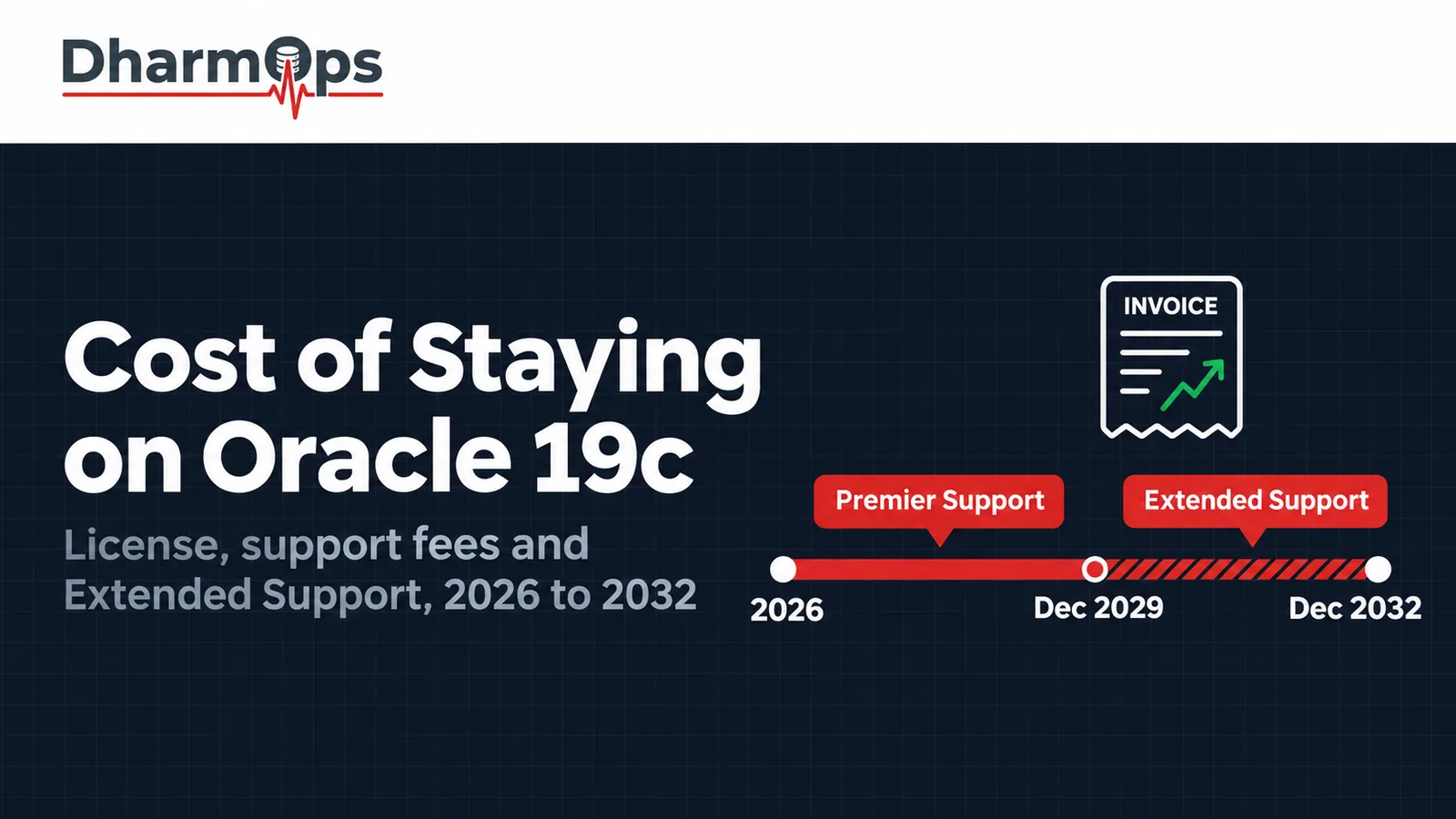
Cost of Staying on Oracle 19c: License, Support Fees, and What Extended Support Adds
Oracle 19c Premier Support ends December 31, 2029. Oracle's list prices, the 22% annual support line, what Extended Support adds through 2032, worked examples, and the contract rules that stop you cutting the bill.
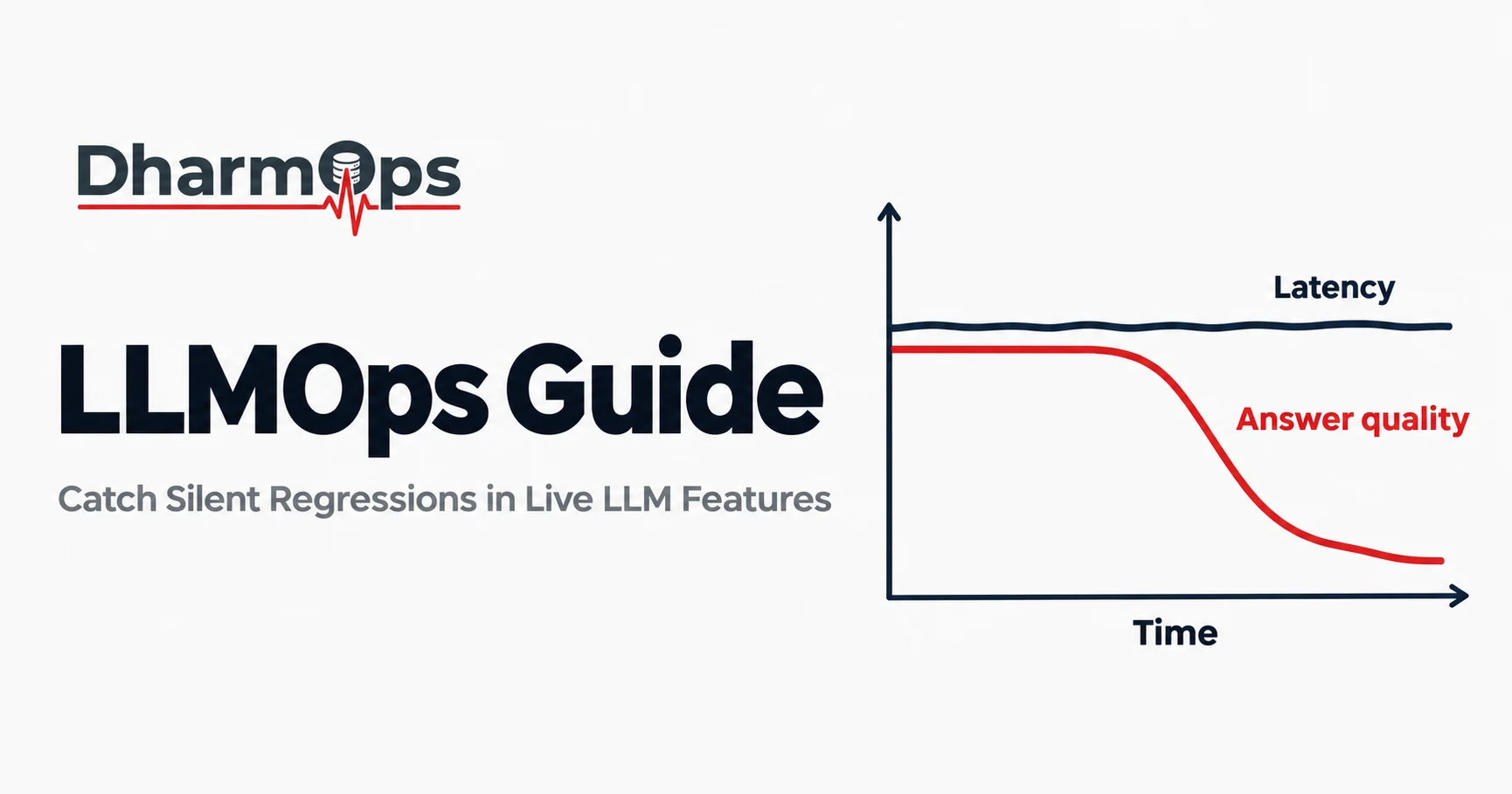
LLMOps: A Complete Guide for Teams Running LLM Features in Production
An LLM feature can get worse while every dashboard stays green. This guide covers test sets, release gates, a worked model retirement, monitoring, cost per feature, on-call and a runbook to copy.
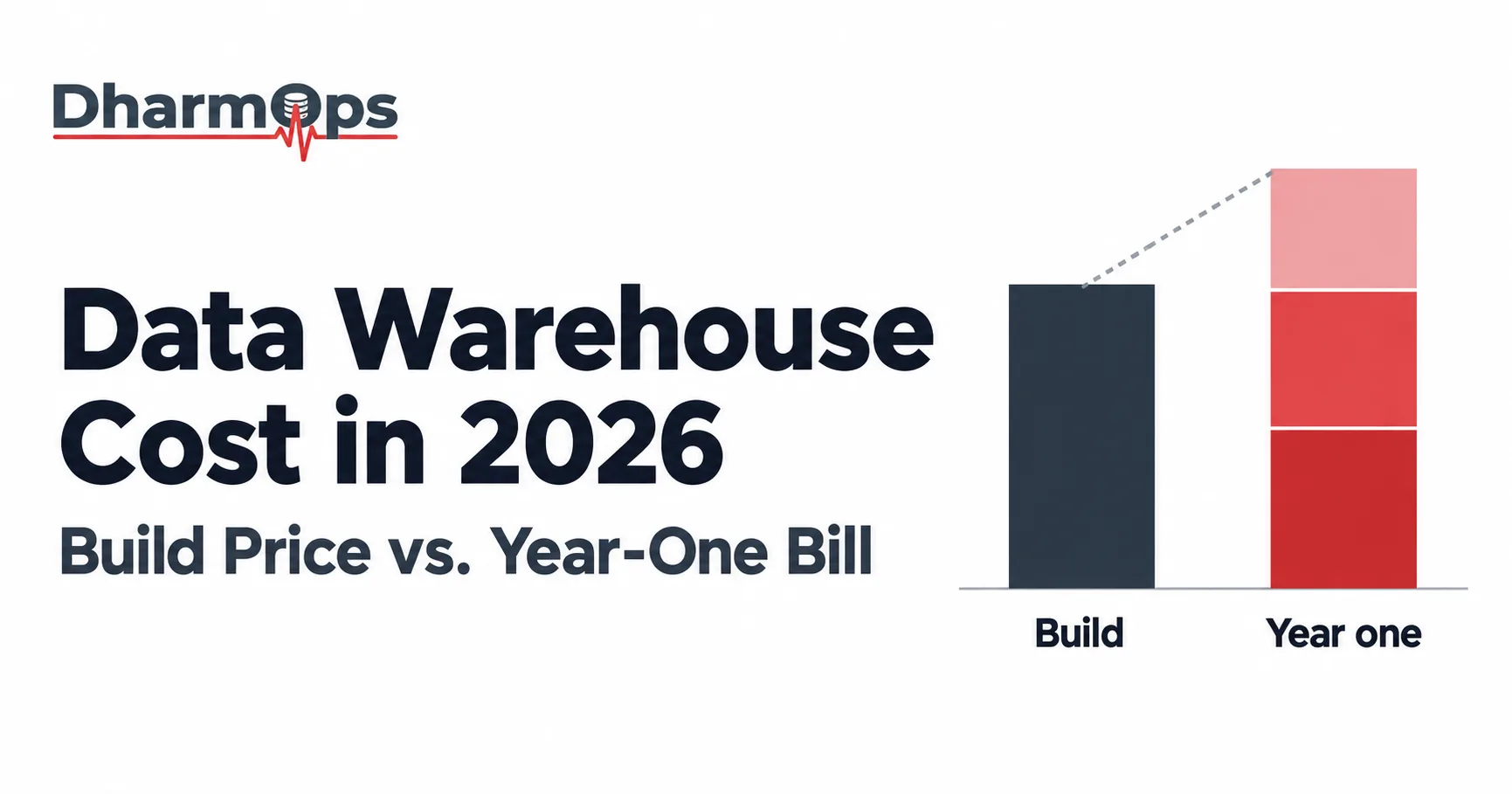
Data Warehouse Implementation Cost in 2026: What It Costs to Build, and What Year One Costs to Run
A data warehouse quote covers the build. The running cost arrives later, and within a year it usually matches or passes it. This guide gives both numbers for small, mid-size and enterprise builds, 2026 pricing for Snowflake, BigQuery, Databricks, Redshift and Fabric, three itemized budgets, and a six-step way to estimate yours.
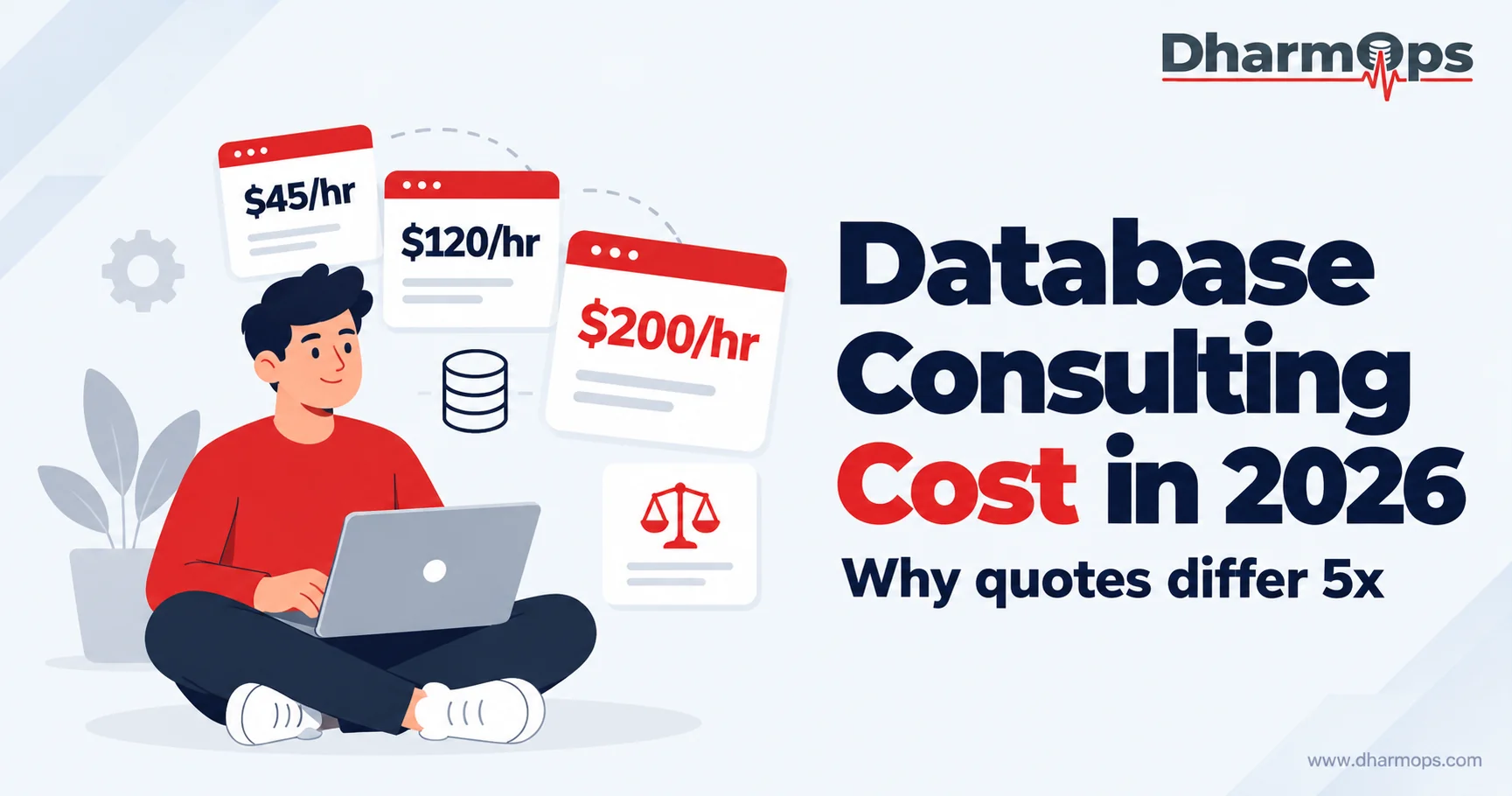
Database Consulting Cost in 2026: Why Quotes for the Same Job Differ 5x
One consultant quotes $45 an hour, another $200, for the same database problem. This guide covers what the market charges in 2026, the eight factors that move a quote, how hourly, project and retainer pricing shift risk, and a six-step check to run on any quote before you sign.
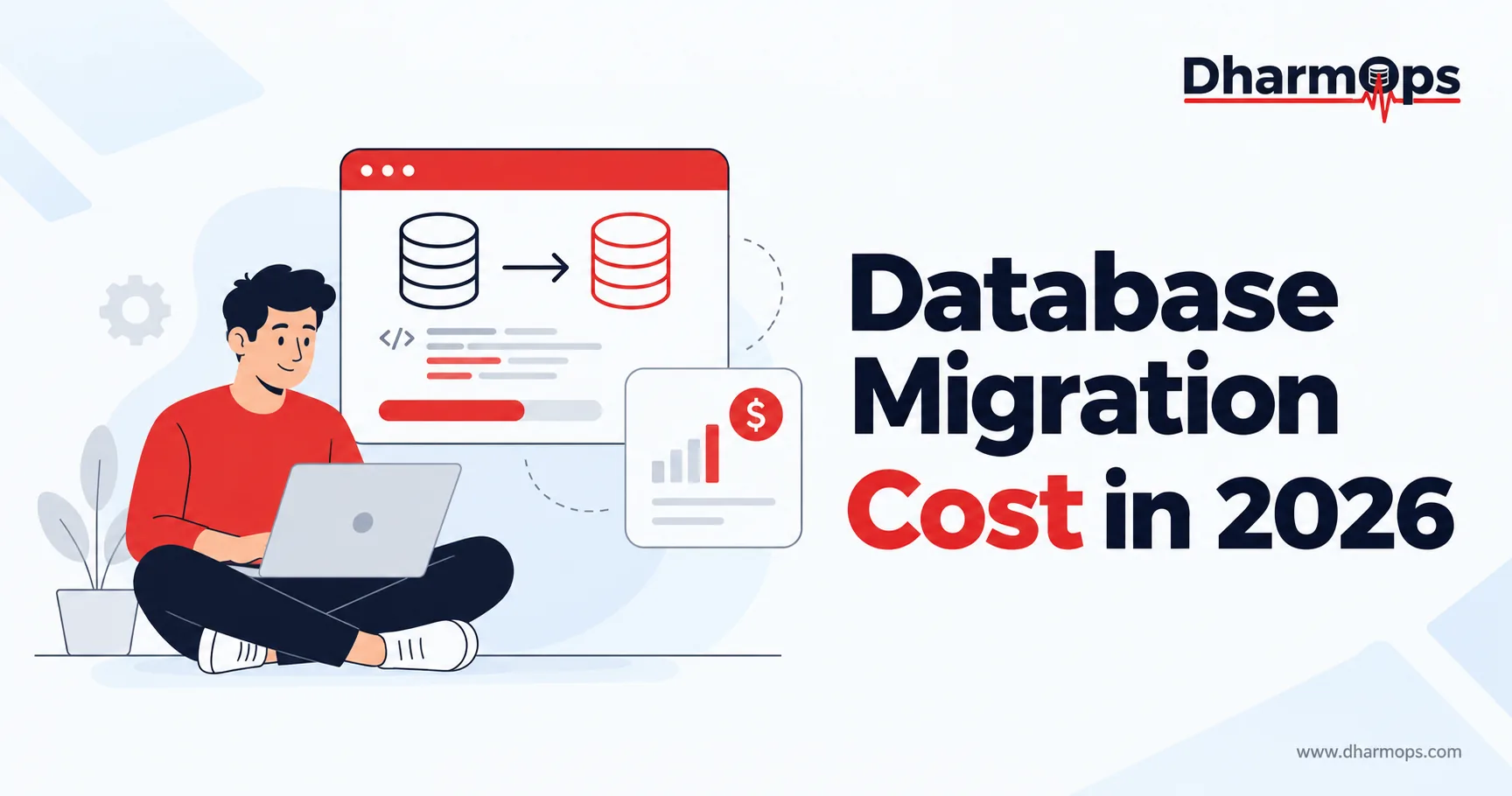
How Much Does a Database Migration Cost in 2026?
Database size is the weakest predictor of what a migration costs. Object counts, procedural code, application SQL, integrations, and your outage window set the budget. This guide covers cost by size, phase, and engine pair, what AWS DMS and conversion tools cost, the hidden costs, and how to build an estimate from your own inventory.
NetSuite to Dynamics 365
NetSuite runs every subsidiary inside one account with native, real-time consolidation. Dynamics 365 splits each one into a separate company governed by posting groups or intercompany pairs. That single structural difference is what actually drives the cost, risk, and timeline of a migration.
Snowflake vs. Databricks Pricing
Snowflake bills compute in Credits, a rate that's close to all-in, with storage bundled into the same invoice. Databricks bills in DBUs, but the dollar price changes by workload type, and it excludes the cloud infrastructure sitting underneath it. Here's every published rate from both platforms.
GDPR Technical Controls for Data
GDPR Article 32 names exactly two example technical measures, pseudonymisation and encryption, then leaves everything else to 'appropriate.' Here's what that requires at the infrastructure layer: encryption that survives an Article 34 test, pseudonymisation that survives re-identification, and an erasure path that reaches backups, not just the primary database.
Iceberg vs. Delta Lake
Iceberg tracks table state through a metadata tree of snapshots and manifests. Delta Lake writes a sequential transaction log. That structural difference explains how each partitions, deletes, and scales, but it's no longer the decision that matters most. Here's the engineering comparison, plus what Databricks buying Iceberg's own creators actually changed.
Data platform slower or costlier than it should be?
Start with a 30-minute discovery call. If it's a fit, the diagnostic comes next.