Data Engineering for Retail & eCommerce
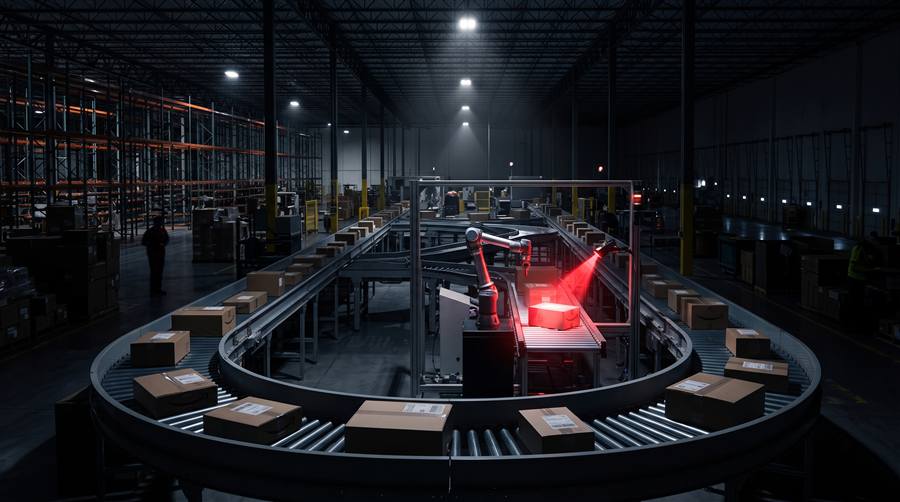
POS, storefront, and warehouse systems each hold part of the inventory picture. We build ELT pipelines into one warehouse so stock, sales, and demand sit in one place.
If every new pipeline, dataset, or access request has to go through your data team, you don't have a platform. You have a bottleneck with a headcount problem. This is the data platform engineering work of building and running the pipelines (ETL/ELT, ingestion, warehouse loading), the integrations between systems, and the self-service golden path that lets domain teams ship data work themselves.
We work hands-on with: Airflow, Terraform, Backstage, Kubernetes, Docker, Python, Kafka.
Data platform engineering is the discipline of building and running the data system end to end: the pipelines that move and transform data (ETL/ELT, ingestion, warehouse and lakehouse loading), the integrations that connect it across systems (API to database, database to database, SaaS to warehouse), and the self-service platform (golden paths, orchestration, data contracts) that lets other teams ship data work without routing every request through a central data team.
Pipeline engineering builds the individual data flows. Data integration connects those flows across systems. Data platform engineering is both, plus the paved road, golden paths, contracts, orchestration, and CI/CD, that makes them repeatable instead of one-off. We build the pipeline and the road, not a slide deck about either.
In practice, that means golden paths: opinionated, optional default workflows for building data products, with the test/deploy strategy, policy checks, and observability already baked in. A golden path that works is run like a product with a clear owner and support expectations, not handed down as a policy nobody asked for.
Most data mesh initiatives fail for the same reason: the organization hands domain ownership to business units before the self-service platform exists to support it. Teams adopt the vocabulary without the capability, and the initiative stalls. The fix is to build the golden path first, and only add formal domain ownership once that's proven to work.
We help you figure out where your actual bottleneck is, build the one golden path that removes it, and hand you a platform your engineers can run without us.
A quick lookup across the platform work below.
| Situation | Likely Solution |
|---|---|
| Ad-hoc scripts move data between systems (API to database, database to database, SaaS to warehouse) with nobody who can explain how they work | Pipeline Engineering & Data Integration — documented ETL/ELT and cross-system connectors your team owns |
| The same pipeline-deployment request lands in the data team's queue every week | Golden-Path Pipeline Deployment — a self-service path with CI/CD and contract validation built in |
| A domain-ownership or data-mesh initiative was announced and stalled with no self-service foundation underneath it | Platform Readiness Assessment — an honest read on whether you're ready for self-service, or for mesh |
| A schema change broke a downstream dashboard because nothing enforced it in CI | Enforced Data Contracts — schema, SLA, and ownership contracts checked at write time |
| Pipelines run on brittle cron jobs or vanilla Airflow DAGs with no lineage, retries, or alerting | Orchestration Modernization — an asset-aware orchestration layer with lineage, retries, and alerting by default |
Scoped to your actual bottleneck, not a platform buildout you don't need yet.
Domain teams provision pipelines and infrastructure through a golden path, not a request sitting in your data team's backlog. Build the path once, every team reuses it.
Most data mesh initiatives stall because domain ownership gets assigned before the self-service foundation exists. We build the platform first. Domain ownership, if you ever need it, comes second.
Terraform, dbt, Dagster or Airflow, and open metadata/catalog tooling, not a proprietary platform you're locked into. Your engineers operate it after we hand off.
Six common data platform engineering engagements, scoped to be demoable and measurable.
Batch ingestion, transformation, and warehouse or lakehouse loading built with dbt and your orchestrator of choice, documented and owned by your team, not hand-rolled scripts nobody else can maintain.
API-to-database, database-to-database, and SaaS-to-warehouse connectors that keep systems in sync, built and handed off to your team instead of a black-box iPaaS subscription.
A self-service path for one domain team to ship a dbt model or pipeline with CI/CD and data contract validation built in, no ticket to your data team required.
Replace brittle, unobserved cron jobs or vanilla Airflow DAGs with an asset-aware orchestration layer that gives you lineage, retries, and alerting by default.
A structured audit of who's hitting your data team with ad-hoc requests, where the bottlenecks actually are, and an honest read on whether you're ready for self-service, or for mesh.
Schema, SLA, and ownership contracts checked at write time, not just documented in a catalog after the fact. A breaking change fails in CI, not in someone's dashboard.
We map your current data infrastructure, inventory the ad-hoc requests hitting your data team, and score your governance maturity to identify the one or two highest-friction golden-path candidates.
We design the paved road for the single highest-friction workflow: default stack, test/deploy strategy, contract checks, and escape hatches, with a clear owner and support expectations, not a mandate handed down.
We implement that one golden path in full: self-service deploy, contract validation, and observability. Scoped to be demoable and measurable, not a platform rebuild.
We document the platform and train the domain team that owns it, so your engineers can run and extend it without us in the room.
On retainer, we add the next golden path and operate what's built, and only revisit domain ownership or mesh once self-service is proven to work.
| Before | After |
|---|---|
| Every new pipeline is a ticket in the data team's backlog | Domain teams self-serve through a golden path with CI/CD and contract checks built in |
| Schema changes break downstream dashboards with no warning | Data contracts fail the change in CI, before it ships |
| Cron jobs and vanilla DAGs with no lineage or alerting | Asset-aware orchestration with retries, lineage, and alerting by default |
| A stalled data mesh conversation with no foundation under it | One proven golden path the org can extend to domain ownership if it chooses to |
| Approach | Trade-off |
|---|---|
| Add headcount to the data team | More people running the same ticket queue; the bottleneck stays a bottleneck, just staffed differently. |
| Hire a dedicated platform engineering team | A multi-hire commitment most data teams under ten people can't justify before a golden path has proven the pattern. |
| Jump straight to a data mesh | Domain ownership assigned before the self-service foundation exists; the most common reason mesh initiatives stall. |
| Generic data-engineering agency | Builds pipelines on request; doesn't build the self-service system that stops new requests from queuing. |
| DharmOps golden-path engagement | One scoped, demoable golden path your engineers run and extend, before any mesh or platform-team commitment. |
Every industry has source systems that don't talk to each other. Data engineering is the pipeline and platform work that turns them into one dataset your teams can query.
POS, storefront, and warehouse systems each hold part of the inventory picture. We build ELT pipelines into one warehouse so stock, sales, and demand sit in one place.
Product usage events have to reach reporting without a ticket to the data team. We build the ingestion, dbt models, and self-service golden paths that let product and finance teams ship their own datasets.
Load events, warehouse scans, telematics, and EDI documents arrive in different formats. We land each source raw, normalize it in a silver layer, and publish business-ready views on top.
Claims, EHR extracts, and lab feeds use different codes and identifiers. We build pipelines that standardize them and enforce data contracts, so downstream reporting stops breaking when a feed changes.
Ledger and payment data have to reconcile across systems. We build the pipelines with schema checks at each hop, so a changed field is caught at ingestion instead of in a finance report.
MES, ERP, and sensor data live in separate systems on separate schedules. We integrate them into one platform, so plant and finance teams read the same numbers.
Tell us how requests reach your data team today (tickets, Slack messages, a backlog nobody prioritizes) and we'll tell you honestly whether a golden path fixes it, or if you actually just need another engineer.
See how other engagements played out in our case studies.
Most teams that come to us have already tried adding headcount to the bottleneck instead of removing it. We assess whether a self-service platform is the actual fix before you commit budget to either.