Data Modernization for Banking & Insurance
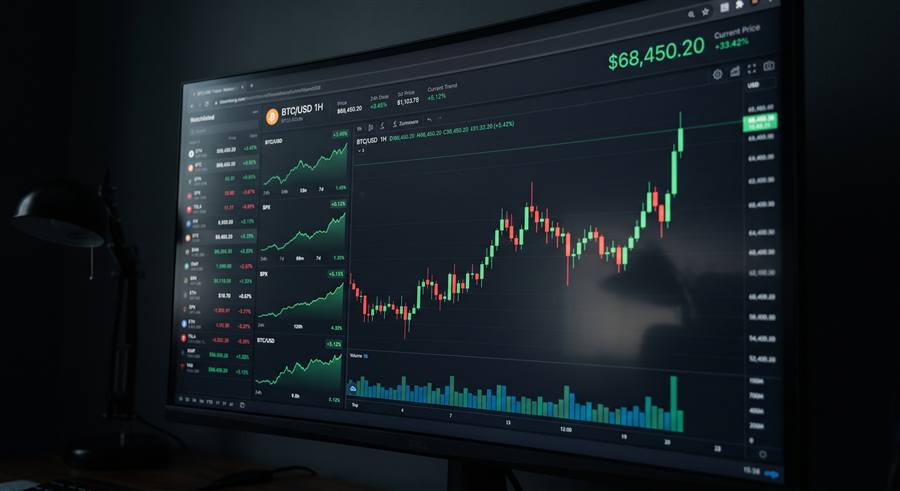
Nightly batch ETL and an on-premises warehouse can't support intraday risk views. We map dependencies, move to a cloud warehouse or lakehouse in stages, and cut over with reports reconciled.
Your cloud data migration doesn't happen in isolation, it touches the same pipelines, schemas, and dependencies as the warehouse, real-time, and AI-readiness work still ahead of it. We map it once, sequence the whole path, and cut over with zero downtime, instead of scoping five separate migration projects that each rediscover the same risk.
We work hands-on with: Spark, Databricks, Snowflake, PostgreSQL, Terraform, Kubernetes, Airflow.
A quick lookup across the four transitions below.
| Situation | Likely Solution |
|---|---|
| A 15-year-old on-prem Oracle warehouse feeds nightly batch reports finance waits until 9am to see | Legacy to Modern / On-Prem to Cloud — dependency map and cutover plan built before the first byte moves |
| A Snowflake or Databricks migration stalled for two quarters because nobody mapped downstream BI dependencies first | Warehouse to Lakehouse — transition without breaking the reports and models already running |
| A fraud, ops, or personalization use case is blocked because the pipeline it needs is still batch, not event-driven | Batch to Real-Time — event-driven processing where the latency actually matters |
| A platform team is asked to support an AI initiative on a warehouse with no lineage, semantic layer, or consistent access controls | Fragmented to Unified, AI-Ready — one governed layer with the metadata and access gaps closed |
Data platform modernization is moving a data platform off legacy, on-prem, or batch-only architecture and onto a governed, cloud-native, AI-ready one, as one sequenced engagement instead of five separate migration projects.
Most data teams end up buying data platform modernization services piecemeal: a cloud data migration project, then a data warehouse modernization project, then an ETL modernization project, each scoped and discovered separately even though they touch the same pipelines and the same downstream consumers.
Data platform modernization treats it as one path instead: legacy to modern, on-prem to cloud, warehouse to lakehouse, batch to real-time, fragmented to unified, and non-AI-ready to AI-ready. One dependency map, one sequenced plan, one team accountable for all of it.
Zero-downtime cutover is the default, not a premium add-on. We keep the old and new systems in sync during the transition using dual-write or CDC-based replication, so you cut over incrementally with an instant rollback path instead of a maintenance window.
Sequenced around what's actually blocking you, not sold as a bundle for its own sake.
Legacy-to-cloud, warehouse-to-lakehouse, and batch-to-real-time transitions touch the same pipelines and consumers. One engagement means we map it once and sequence the work around it.
Dual-write or CDC-based replication keeps old and new systems in sync during migration, so we cut over incrementally with an instant rollback path, not a maintenance window everyone dreads.
Modernization ends with a platform that can support metadata, semantic layers, and AI workloads, instead of a lift-and-shift that just moves the same limitations to a more expensive bill.
Four common modernization transitions, sequenced into a single engagement.
Move off legacy systems and on-prem infrastructure onto a modern cloud data platform, with a dependency map and cutover plan built before the first byte moves.
Transition from a traditional warehouse to an open-table-format lakehouse, without breaking the reports and models already running against the warehouse.
Move specific pipelines from scheduled batch to event-driven processing where the latency actually matters, phased alongside the rest of the modernization work.
Consolidate fragmented platforms into one governed layer and close the metadata, semantic-layer, and access gaps that block AI workloads from running on your data safely.
What this looks like when it's an actual project, not a category.
We map your current platform end to end: every pipeline, schema, and downstream consumer, and identify the highest-risk parts of the transition before any work starts.
We propose a phased plan (which transition first, which can run in parallel, which waits) with a cutover strategy for each phase, scoped to what's actually blocking you.
We wire up replication between old and new systems so both stay in sync during the transition, giving us an incremental cutover path with instant rollback.
We cut traffic over incrementally, phase by phase, validating against the old system at each step instead of a single big-bang migration date.
Once a phase is fully validated, we decommission the legacy path and document the new platform so your team can operate and extend it without us.
Source and target sides of the migration: Oracle, PostgreSQL, and MySQL on the legacy/relational side; Snowflake, Databricks, and BigQuery on the modern warehouse and lakehouse side; Kafka-based or CDC pipelines for the batch-to-real-time move; and Terraform/Kubernetes for the infrastructure underneath.
Measurable outcomes vary by scope; this is the shape of the change.
| Before | After |
|---|---|
| Legacy or on-prem platform with undocumented downstream dependencies | Mapped dependency graph covering every pipeline, schema, and consumer before cutover starts |
| Migrations scheduled as maintenance windows with a fixed downtime budget | Dual-write / CDC-based replication with incremental cutover and instant rollback |
| Warehouse-to-lakehouse, batch-to-real-time, and cloud migration scoped as separate projects with separate discovery | One dependency map and one sequenced plan covering all transitions in scope |
| Platform not ready for AI workloads: no metadata, no semantic layer, inconsistent access | Metadata, semantic layer, and access model addressed as part of the same modernization path |
| Approach | Discovery | Cutover | Accountability |
|---|---|---|---|
| DharmOps | One dependency map across every transition in scope | Zero-downtime by default (dual-write / CDC) | One team, one point of contact through every phase |
| Large systems integrator | Separate discovery phase billed per project | Varies by vendor; often a scheduled maintenance window | New project manager for each phase |
| In-house migration team | Built from scratch, competing with the team's regular workload | Depends on in-house CDC/replication experience | Your team owns risk on top of existing responsibilities |
| Stay on the legacy platform | No discovery cost, but risk and licensing cost compound | N/A | Technical debt and vendor lock-in keep growing |
Legacy data platforms hold up the roadmap in every industry. What differs is what has to keep running while you move.
Nightly batch ETL and an on-premises warehouse can't support intraday risk views. We map dependencies, move to a cloud warehouse or lakehouse in stages, and cut over with reports reconciled.
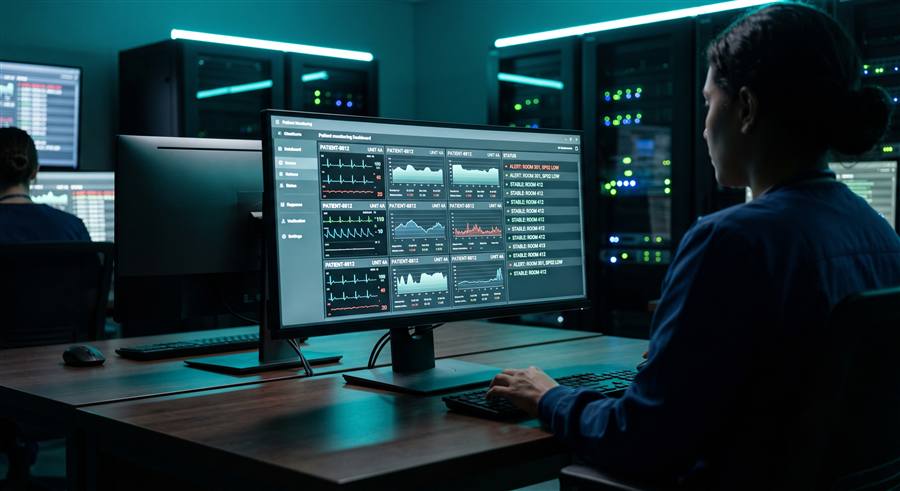
Sensitive data on aging servers is both a cost and a breach exposure. We migrate to a governed cloud platform with access control and audit logging in place from the first load.
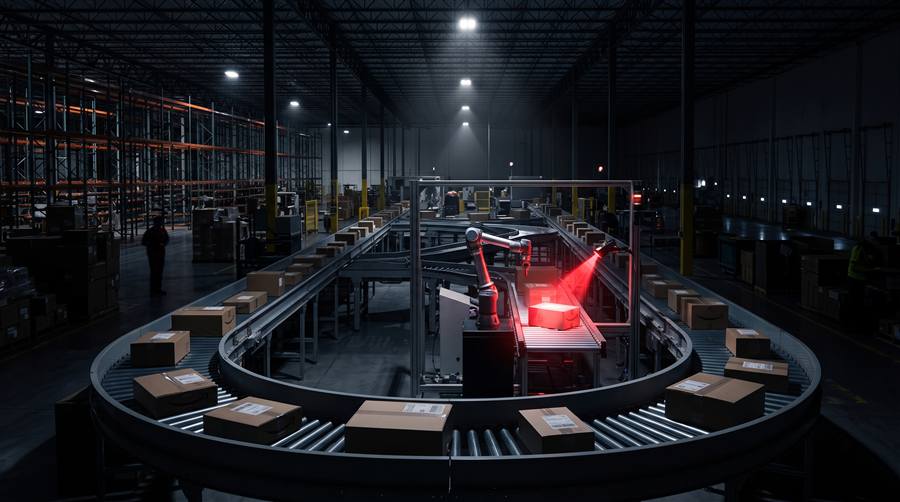
Plants often run disconnected systems that block analytics. We bring them onto one platform and sequence the move so production reporting doesn't go dark.
Batch customer and order data limits personalization. We move the pipelines to incremental and streaming loads so campaigns and recommendations use current data.
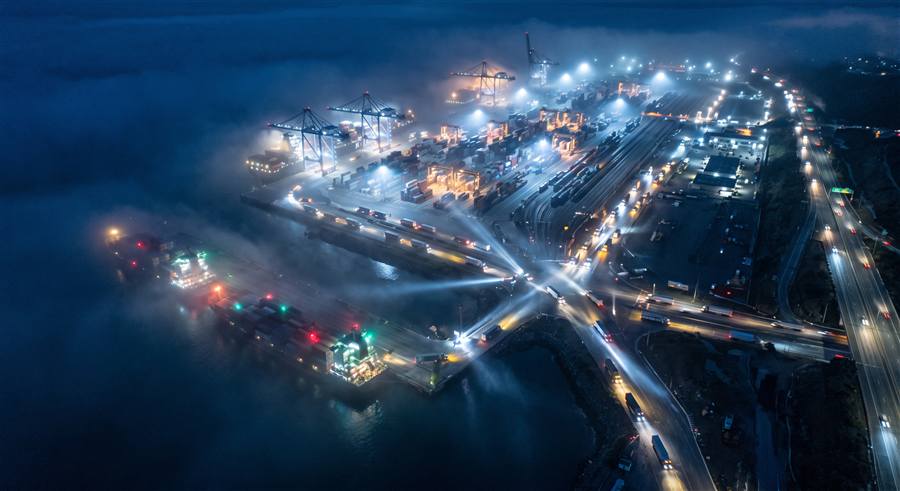
Nightly loads leave dispatch working from yesterday's picture. We modernize the pipelines and warehouse so operations see current load and inventory data.
Historians and legacy databases hold years of operational data that models can't reach. We migrate it to a platform that supports forecasting without disturbing the operational systems.
Tell us what's still legacy, on-prem, or fragmented, and we'll map the dependencies and show you the shortest zero-downtime path off it.
We map every dependency once and sequence the full modernization path, so you're not rediscovering the same risk on your third migration project this year.