Real-Time Data Engineering for Banking & FinTech
Fraud decisions have to land before the transaction settles. We stream transaction events through Kafka to scoring models and return the decision to the payment system in time.
A Kafka cluster isn't a real-time platform on its own. We build the streaming architecture, CDC infrastructure, and reliability layer around it, so the data your systems act on is actually current when they act on it.
In one sentence: real-time data infrastructure is the streaming architecture and reliability layer, on top of Kafka or Flink, that gets fresh data to the systems that need it in seconds instead of overnight.
We work hands-on with: Kafka, Flink, Redis, PostgreSQL, Kubernetes, Docker, Elasticsearch.
A quick lookup for the four problems above.
| Situation | Likely Solution |
|---|---|
| A dashboard the control room or ops team relies on shows data that's minutes or hours stale | CDC Implementation — change data capture feeding the streaming platform in real time |
| A batch job that used to finish overnight now runs into business hours and delays a decision | Streaming Architecture Design — an event-driven pipeline replacing the nightly batch run |
| Kafka (or a similar broker) is already running, but consumer lag or a poisoned message caused an incident | Kafka & Flink Reliability — consumer lag alerting and dead-letter handling for what's already deployed |
| A new use case (fraud check, inventory sync, live pricing) needs a decision within seconds and the current pipeline can't get there | Streaming Architecture Design — topic strategy and consumer topology built for the latency target |
Real-time data infrastructure is the architecture, built on top of a streaming broker like Kafka or Flink, that makes fresh data reliably available to the systems that act on it within seconds of the event happening.
Real-time data infrastructure services are the architecture and reliability layer around streaming, not a single tool install. Standing up a Kafka cluster through Kafka consulting services gets you a message broker. It doesn't get you schema enforcement, consumer lag alerting, exactly-once processing where it matters, or a tested recovery path when a consumer gets stuck or a producer pushes a breaking schema change.
Change data capture (CDC) is usually the entry point: streaming row-level changes out of an operational database as they happen, instead of a nightly batch job or a polling query that adds load to production. From there, event-driven pipelines and stream processing (Kafka, Flink) move and transform that data in near real time.
We design and build that layer for the use cases where latency actually matters, and we're direct about the ones where batch is still the right, cheaper answer.
Scoped to the use cases where seconds actually matter.
Kafka or Flink alone isn't a real-time platform. We build the schema enforcement, consumer lag alerting, and exactly-once boundaries that turn a message broker into infrastructure you can trust.
Row-level change capture out of your operational database, so downstream systems get real-time updates without a polling query hammering your primary.
A tested recovery path for a stuck consumer group, a poisoned message, or a schema-breaking producer change, worked out before it happens in production, not during the incident.
Four common real-time infrastructure engagements, scoped to your actual latency needs.
Full design for event-driven pipelines, from source to sink: topic and partition strategy, schema registry, consumer group topology, and where exactly-once processing is actually worth the cost.
CDC implementation services that stream row-level changes off your operational databases (Debezium or equivalent) into your streaming platform in real time, without touching application code.
Consumer lag alerting, dead-letter handling, and stream-processing correctness for an existing Kafka or Flink deployment that's running but not yet trustworthy.
Schema contracts enforced at the producer, so a breaking change fails in CI for the team that made it, not as a silent parse error three consumers downstream.
We map which use cases genuinely need real-time latency, audit any existing Kafka/Flink stack, and identify the reliability gaps most likely to cause an incident.
We design the topic strategy, schema contracts, and consumer topology for your highest-priority streaming use case, with an explicit call on where exactly-once processing is worth the cost.
We implement the CDC or event pipeline, schema enforcement, and lag/dead-letter alerting end to end, scoped to be demoable against real production traffic.
We document and test recovery paths for stuck consumers, poisoned messages, and schema-breaking changes, and train your team to run the platform without us.
On retainer, we extend the platform to new topics and consumers and stay on call for incidents outside the tested playbook.
The kinds of decisions that are actually worth streaming for.
| Before | After |
|---|---|
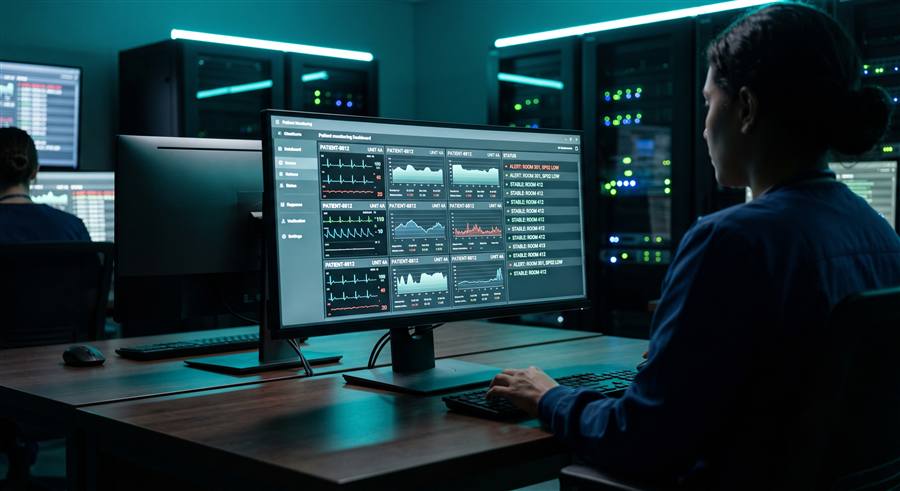
| Sensor and event data lands minutes behind, sometimes hours during peak load | Sub-minute ingestion, with consumer lag alerted on before it becomes an incident |
| Operational reports and dashboards time out or run against stale batch tables | Reports and dashboards read from a pipeline built for the query pattern, not a nightly dump |
| No tested recovery path for a stuck consumer group or a schema-breaking producer change | Documented, tested recovery runbooks for the failure modes most likely to happen |
| Uptime and latency are assumed, not measured | Uptime and latency are monitored against a stated target |
| Approach | Tradeoff |
|---|---|
| DIY, existing app team | Cheapest up front. Streaming reliability (lag alerting, exactly-once boundaries, recovery runbooks) is usually the first thing cut under deadline pressure. |
| Full-time streaming/Kafka engineer | Right if you need that depth every week going forward. A significant full-time salary commitment for work that's often front-loaded into the initial architecture and reliability build. |
| Generic cloud consultancy | Can stand up a cluster. Streaming correctness (schema contracts, exactly-once, poisoned-message recovery) is a narrower specialty most generalist shops don't carry deep experience in. |
| DharmOps | Assessment plus pipeline build in weeks, documented recovery runbooks, and a handoff to your team, with a lighter retainer available instead of a full-time hire. |
Streaming pays off where a decision loses value with every minute of delay. These are the places we build Kafka and CDC pipelines most often.
Fraud decisions have to land before the transaction settles. We stream transaction events through Kafka to scoring models and return the decision to the payment system in time.
Selling stock that isn't there costs an order and a customer. We use CDC to keep inventory current across the storefront, stores, and warehouse.
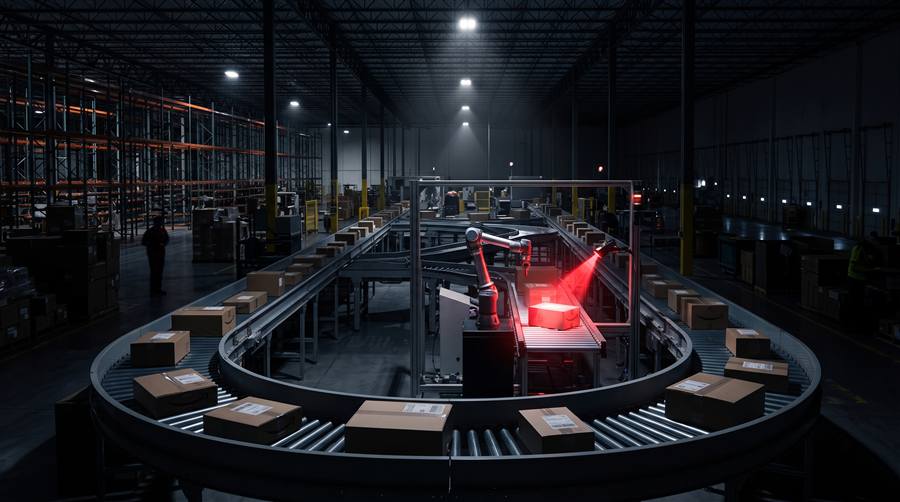
Customers expect live shipment status. We stream scan, GPS, and telematics events into one tracking feed that operations and customers read from.
Machine faults are cheapest to catch as they start. We stream PLC and sensor data, apply schema checks, and trigger maintenance workflows from it.
Smart meters and grid sensors produce continuous readings. We build the ingestion and processing layer, with consumer-lag monitoring and dead-letter handling so bad messages don't stall the stream.
Search indexes, caches, and analytics fall behind the primary database. We use Debezium CDC to keep them in sync without adding load to the source.
Tell us which decisions are waiting on stale data, and we'll tell you honestly whether streaming closes that gap, or if a faster batch job already would.
We assess whether your streaming stack actually holds up under load, and build the architecture around it that lets it be.